2024 Alberta Dental Fee Guide: A Comprehensive Overview
Navigating dental costs in Alberta requires understanding the 2024 fee guide, as AI-generated audio versions may have minor pronunciation inaccuracies, continually improving over time.
The 2024 Alberta Dental Fee Guide serves as a crucial resource for both patients and dental professionals, outlining the recommended fee structure for a wide range of dental services across the province. Understanding this guide is paramount for informed financial planning regarding oral healthcare. It’s important to acknowledge that while the guide provides a benchmark, individual dentists may adjust fees based on factors like experience, specialization, and location.
Furthermore, the availability of audio versions of related articles, generated by AI technology, highlights the commitment to accessibility. However, users should be aware that these versions may contain occasional mispronunciations, a challenge actively being addressed through ongoing review and refinement with technology partners. This guide aims to demystify dental costs and empower Albertans to make well-informed decisions about their dental health.
Understanding Dental Fee Structures in Alberta
Alberta’s dental fee structure isn’t rigidly fixed; it’s a recommended schedule published annually by the Alberta Dental Association (ADA). Dentists aren’t legally bound to adhere to it, allowing for some variation. These fees are categorized by procedure codes – like those used in the provided examples (D0110, D0274, etc.) – ensuring standardized billing.
The structure considers factors like the complexity of the treatment, materials used, and the dentist’s overhead costs. It’s crucial to remember that AI-generated audio resources discussing these fees may have minor inaccuracies in pronunciation, a point of ongoing improvement. Understanding this flexibility empowers patients to discuss costs upfront with their dentist and explore potential options for managing expenses, especially when considering insurance coverage limitations.

Core Dental Services & Associated Fees (2024)
This section details 2024 costs for essential dental treatments, utilizing standardized procedure codes, though AI-generated audio may contain minor pronunciation errors.
Preventive Dentistry Fees
Prioritizing preventative care is crucial for maintaining optimal oral health and minimizing future, more costly treatments. The 2024 Alberta Dental Fee Guide outlines specific fees for these essential services. Regular check-ups (D0110) and cleanings (D0120) form the cornerstone of preventative dentistry, with fees varying based on complexity and duration;
Fluoride treatments (D0274), particularly beneficial for children, help strengthen enamel and prevent decay, and are typically a relatively affordable preventative measure. Dental sealants (D0295), applied to the chewing surfaces of molars, create a protective barrier against bacteria and food particles.
These preventative services are often fully or partially covered by dental insurance plans, making them accessible and cost-effective. Remember that AI-generated audio regarding these fees may have slight pronunciation variations.
Regular Check-ups and Cleanings (D0110, D0120)
The foundational elements of preventative dental care, regular check-ups (D0110) and cleanings (D0120), are vital for early detection of issues. The 2024 Alberta Dental Fee Guide details the costs associated with these procedures. A basic check-up involves a visual examination of teeth and gums, assessing for cavities, gum disease, and other abnormalities.
Dental cleanings remove plaque and tartar buildup, preventing gingivitis and periodontitis. Fees for D0120 vary depending on the extent of tartar accumulation and the complexity of the cleaning required.
Generally, a standard cleaning falls within a specific fee range, while more extensive cleanings, addressing significant buildup, will incur higher costs. AI-generated audio may have minor pronunciation differences when discussing these codes.
Fluoride Treatments (D0274)
Fluoride treatments (D0274) represent a crucial preventative measure, strengthening tooth enamel and protecting against decay. The 2024 Alberta Dental Fee Guide outlines the associated costs for professional fluoride applications. These treatments are particularly beneficial for children and individuals prone to cavities.
Typically, a fluoride varnish or gel is applied to the teeth after a cleaning, providing a concentrated dose of fluoride. The fee for D0274 reflects the cost of the fluoride material and the dentist’s or hygienist’s time.
The exact price can vary slightly between dental practices, but the fee guide provides a standardized reference point. Remember that AI-generated audio discussing these codes may contain minor pronunciation variations.
Dental Sealants (D0295)
Dental sealants (D0295) are a proactive preventative treatment, primarily for children and teenagers, designed to protect the chewing surfaces of molars from decay. The 2024 Alberta Dental Fee Guide details the costs associated with their application. These plastic coatings fill the grooves where food particles and bacteria accumulate.
The procedure is quick, painless, and highly effective in preventing cavities. A sealant is painted onto the tooth and hardened with a special light. The fee covers the sealant material and the dental professional’s time.
Costs for D0295 can differ slightly between clinics, but the fee guide offers a standard benchmark. Be aware that AI-generated audio resources may have minor pronunciation inconsistencies when referencing these codes.

Restorative Dentistry Fees
Restorative dentistry addresses damaged or diseased teeth, aiming to restore their function and appearance. The 2024 Alberta Dental Fee Guide outlines costs for various procedures. Fillings, utilizing materials like amalgam (D2193), composite resin (D2391, D2392), or glass ionomer, are common for treating cavities. Fees vary based on size and material.
Crowns (D2790, D2780), including porcelain fused to metal and all-ceramic options, are used when a filling isn’t sufficient. Root canal treatment (Endodontics ⎻ D3310, D3320, D3330) addresses infection within the tooth’s pulp.
Costs are influenced by tooth location and complexity. Remember that AI-generated audio resources discussing these fees may contain minor pronunciation errors, continually being refined.

Fillings (Amalgam, Composite, Glass Ionomer) (D2193, D2391, D2392)
Dental fillings restore teeth damaged by decay, with the 2024 Alberta Fee Guide detailing costs for different materials. Amalgam fillings (D2193), a durable and cost-effective option, are silver-colored. Composite fillings (D2391, D2392), tooth-colored, offer aesthetic advantages and bond directly to the tooth.
Glass ionomer fillings release fluoride, aiding in decay prevention, but are less durable. The fee varies significantly based on the size of the cavity and the number of surfaces affected. One-surface fillings are generally less expensive than multi-surface restorations.
Remember, AI-generated audio discussing these costs may have slight pronunciation inaccuracies, undergoing continuous improvement.
Crowns (Porcelain Fused to Metal, All-Ceramic) (D2790, D2780)
Dental crowns, or caps, fully encase a damaged tooth, restoring its shape, size, and strength. The 2024 Alberta Fee Guide outlines costs for various crown types. Porcelain fused to metal crowns (D2790) offer a balance of durability and aesthetics, with a metal base covered in porcelain.
All-ceramic crowns (D2780) provide the most natural appearance, as they lack a metal substructure. These are ideal for front teeth where aesthetics are paramount. Crown costs depend on the material, the tooth’s location, and complexity of the procedure.
Please note, audio versions discussing these fees, generated by AI, may contain minor pronunciation errors, continually being refined.
Root Canal Treatment (Endodontics) (D3310, D3320, D3330)
Root canal treatment, or endodontics, addresses infection within a tooth’s pulp. The 2024 Alberta Dental Fee Guide categorizes costs based on tooth complexity. D3310 covers incisors and canines, D3320 premolars, and D3330 molars – the most complex and costly.
The procedure involves removing the infected pulp, cleaning, shaping, and filling the root canals, then sealing the tooth. Following a root canal, a crown is often necessary to protect the weakened tooth structure. Costs vary depending on the tooth and any complications encountered during treatment.
Be aware, AI-generated audio discussing these fees may have slight mispronunciations, undergoing continuous improvement.
Surgical Services Fees
Surgical dental services encompass procedures beyond routine care, impacting the 2024 Alberta Dental Fee Guide significantly. Simple extractions (D0210) are generally less expensive, covering easily accessible teeth. However, surgical extractions (D0220, D0230, D0240) – impacted wisdom teeth, for example – involve more complex removal and thus, higher fees.
Implant placement (D0410, D0420, D0430) represents a substantial investment, covering the implant itself, abutment, and crown. These fees reflect the advanced skill and technology required. Costs are influenced by the number of implants and any necessary bone grafting.
Remember, audio versions detailing these costs may contain minor AI-related pronunciation errors, actively being refined.
Simple Extractions (D0210)
Simple extractions (D0210), as outlined in the 2024 Alberta Dental Fee Guide, involve removing teeth that are easily accessible in the mouth. This typically includes teeth that are not impacted and have sufficient exposure. The procedure generally requires local anesthesia to ensure patient comfort during the removal process.
Fees for simple extractions are generally lower compared to surgical extractions, reflecting the reduced complexity and time involved. However, costs can vary slightly between dental practices. It’s crucial to confirm the exact fee with your dentist beforehand.
Please note, audio versions discussing these fees may have minor AI-generated pronunciation inaccuracies, which are continually being addressed for improved clarity.
Surgical Extractions (D0220, D0230, D0240)
Surgical extractions (D0220, D0230, D0240), as detailed in the 2024 Alberta Dental Fee Guide, are necessary when teeth are impacted, fractured below the gumline, or require more complex removal techniques. These procedures often involve making an incision in the gum tissue and potentially removing bone to access the tooth.
The specific code used (D0220, D0230, or D0240) depends on the complexity of the extraction – ranging from a simple surgical removal to more involved procedures requiring significant bone removal. Local anesthesia is standard, and sedation options may be discussed for patient comfort.
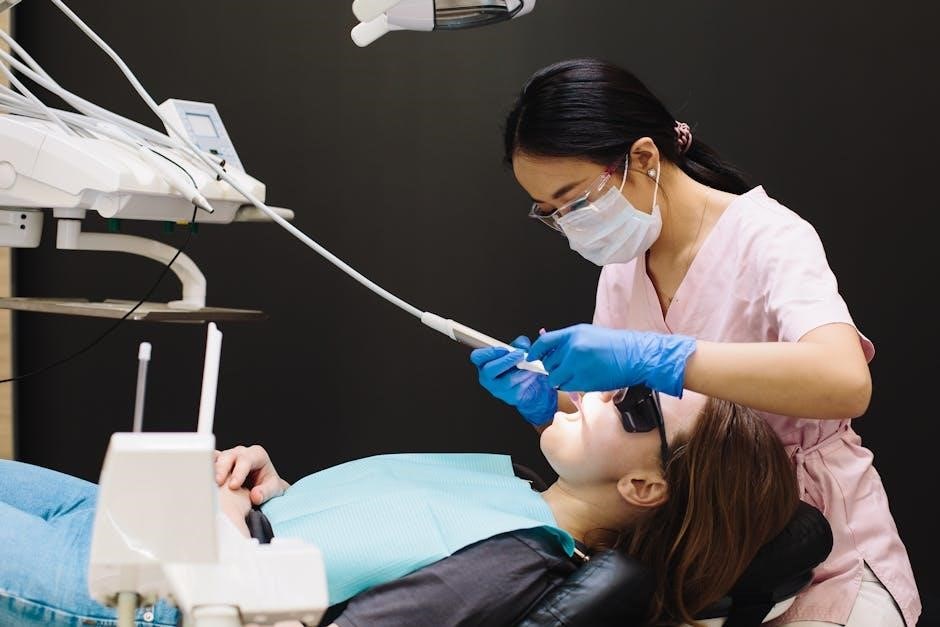
Costs for surgical extractions are higher than simple extractions due to the increased time, skill, and potential for complications; Remember that AI-generated audio may contain minor pronunciation errors.
Implant Placement (D0410, D0420, D0430)
Dental implant placement (D0410, D0420, D0430), as outlined in the 2024 Alberta Dental Fee Guide, is a multi-stage process involving surgical insertion of a titanium post into the jawbone to serve as a tooth root. Codes differentiate stages: D0410 for initial implant placement, D0420 for implant and abutment connection, and D0430 for final restoration placement.
This procedure requires careful planning, including assessment of bone density and overall health. Local anesthesia and sedation options are typically offered. The cost reflects the surgical expertise, materials, and potential need for bone grafting.
Implant fees are significantly higher than other restorative options, but offer a long-term, stable solution for missing teeth. Be aware that AI-generated audio may have slight mispronunciations.

Specialty Dental Services & Fees (2024)
Specialty care, like orthodontics and periodontics, carries distinct fees in the 2024 Alberta guide; AI audio versions may contain minor errors.
Orthodontic Treatment Fees
Orthodontic treatments aim to correct misaligned teeth and jaws, impacting both aesthetics and oral health. Costs for these procedures in Alberta for 2024 vary significantly based on the complexity of the case and the chosen method. Traditional metal braces generally represent a more affordable option, with fees typically ranging from $3,000 to $7,000 for a complete treatment.
Ceramic braces, offering a more discreet appearance, often fall within the $4,000 to $8,000 range. Invisalign and other clear aligner therapies, known for their convenience and near-invisibility, tend to be the most expensive, potentially costing between $5,000 and $9,000 or even higher for complex cases. It’s crucial to remember that these are estimates, and a thorough consultation with an orthodontist is necessary to receive a personalized treatment plan and accurate cost assessment. AI-generated audio may have minor pronunciation issues.
Braces (Traditional, Ceramic)
Traditional metal braces remain a popular and effective orthodontic solution in Alberta for 2024, utilizing stainless steel brackets and wires to gradually shift teeth. Costs generally range from $3,000 to $7,000, depending on treatment duration and complexity. Ceramic braces offer a more aesthetic alternative, employing tooth-colored brackets for a less noticeable appearance.
However, this discretion comes at a slightly higher price point, typically between $4,000 and $8,000. Both types require regular adjustments and diligent oral hygiene. Factors influencing the final cost include the severity of the misalignment, the length of treatment, and the orthodontist’s fees. Remember that AI-generated audio may contain minor pronunciation inaccuracies, continually being improved.
Invisalign & Clear Aligner Therapy
Invisalign and other clear aligner therapies present a discreet alternative to traditional braces in Alberta for 2024, utilizing a series of custom-made, removable aligners. Treatment costs typically range from $3,500 to $8,500, varying based on the complexity of the case and the number of aligners needed. This option offers greater convenience and aesthetic appeal, as aligners are removable for eating, brushing, and flossing.
However, successful treatment relies heavily on patient compliance – aligners must be worn for 20-22 hours daily. Factors influencing cost include the severity of misalignment and the orthodontist’s expertise. Be aware that AI-generated audio may have minor pronunciation errors, undergoing continuous refinement.
Periodontal Treatment Fees
Periodontal treatments address gum disease, crucial for overall oral health in Alberta for 2024. Scaling and root planing (deep cleaning – codes D4341, D4342) typically ranges from $150 to $350 per quadrant, removing plaque and tartar below the gumline. Periodontal maintenance (D4910), essential after initial treatment, costs around $100 to $250 per visit, maintaining gum health.
Fees vary based on the extent of gum disease and the dentist’s specialization. Advanced cases may require surgical interventions, incurring higher costs. Remember that AI-generated audio versions of this information may contain minor mispronunciations, actively being improved by our partners.
Scaling and Root Planing (Deep Cleaning) (D4341, D4342)
Scaling and root planing, often called a deep cleaning, is a periodontal procedure vital for Alberta residents in 2024. Codes D4341 and D4342 represent treatment by quadrant. Expect costs between $150 and $350 per quadrant, though prices fluctuate based on severity of gum disease and dentist’s fees.
This treatment removes plaque and tartar from below the gumline, smoothing root surfaces to promote healing. Multiple appointments are often needed. It’s important to note that AI-generated audio versions of this guide may have slight pronunciation errors, continuously being refined for accuracy.

Periodontal Maintenance (D4910)
Periodontal maintenance (D4910) is crucial for Albertans following scaling and root planing in 2024. This ongoing care, typically every 3-4 months, helps prevent recurrence of gum disease. Costs generally range from $100 to $250 per visit, varying with the extent of treatment needed and the dentist’s specific fees.
It includes removing bacterial deposits, assessing pocket depths, and providing oral hygiene instruction. Regular maintenance is key to long-term gum health. Please be aware that AI-generated audio versions of this guide may contain minor mispronunciations, which are actively being improved by our partners.
Factors Influencing Dental Costs in Alberta
Alberta’s 2024 dental costs are impacted by dentist expertise, location, and insurance coverage, while AI audio versions are refined for accuracy.
Dentist’s Experience and Specialization
A dentist’s level of experience significantly influences treatment costs within the 2024 Alberta Dental Fee Guide. Generally, practitioners with many years in practice, and those holding advanced certifications or specializing in specific areas like periodontics or endodontics, may charge higher fees.

This reflects their enhanced skills, ongoing professional development, and the specialized equipment often utilized in complex procedures; For instance, a general dentist performing a routine filling will likely have a different fee structure than a prosthodontist placing a complex implant-supported restoration.
Patients should feel comfortable inquiring about a dentist’s qualifications and experience when seeking treatment, as this directly correlates with the value and quality of care received. Remember that AI-generated audio resources may have minor inaccuracies.
Geographic Location within Alberta
The 2024 Alberta Dental Fee Guide acknowledges that dental costs can vary considerably based on location within the province. Urban centers like Calgary and Edmonton typically exhibit higher overhead costs for dental practices – including rent, staffing, and supplies – which are often reflected in higher fees for services.
Conversely, dental care in rural or remote communities may be comparatively more affordable. However, accessibility can be a limiting factor in these areas. It’s crucial to compare fees from multiple dentists within your region to ensure you’re receiving fair pricing.
Remember to consider travel costs when evaluating options. AI-generated audio resources may contain minor pronunciation errors, but are continually improving.
Dental Insurance Coverage & Limitations
Understanding your 2024 Alberta dental insurance plan is vital when budgeting for care. Most plans operate on a calendar year, with annual maximums – the total amount your insurance will cover. Coverage typically falls into preventative (often 100% covered), basic restorative (like fillings, usually 80%), and major restorative (crowns, bridges, often 50-60%) categories.
Limitations frequently include waiting periods for major treatments, exclusions for cosmetic procedures, and a ‘fee schedule’ that may not align perfectly with your dentist’s fees.
Always verify your plan’s specifics, including co-payments and deductibles. AI-generated audio resources may have minor pronunciation inaccuracies, but are continually being refined.

Resources for Finding Affordable Dental Care
Explore the Alberta Dental Association, government programs like the Alberta Seniors Dental Program, and community clinics for cost-effective options in 2024.
Alberta Dental Association (ADA) Resources
The Alberta Dental Association (ADA) serves as a crucial hub for both dental professionals and the public seeking information regarding dental care within the province. Their website provides a searchable directory of registered dentists, allowing individuals to locate qualified practitioners in their specific geographic area.
Furthermore, the ADA often publishes resources and guides related to understanding dental fees and treatment options. While they don’t directly set the fees – those are determined by individual dentists based on the 2024 Alberta Dental Fee Guide – they offer clarity on what constitutes reasonable and customary charges.
The ADA also champions oral health education, providing valuable information on preventative care, common dental conditions, and maintaining optimal oral hygiene. Accessing these resources can empower Albertans to make informed decisions about their dental health and potentially reduce the need for costly treatments down the line.
Government Assistance Programs (e.g., Alberta Seniors Dental Program)
Alberta offers several government-funded dental assistance programs designed to improve access to care for vulnerable populations. A prominent example is the Alberta Seniors Dental Program, which provides eligible seniors with financial assistance towards certain dental treatments, helping to offset costs outlined in the 2024 fee guide.
Other programs may exist for low-income individuals, families, or those with specific medical conditions. Eligibility criteria and coverage details vary significantly between programs, so thorough research is essential.
Information regarding these programs, including application processes and covered services, can typically be found on the Government of Alberta’s website. Navigating these resources can be complex, but accessing these programs can significantly reduce out-of-pocket dental expenses for eligible Albertans, making quality care more attainable.
Community Dental Clinics & Low-Cost Options
For Albertans seeking affordable dental care, community dental clinics represent a valuable resource, often offering services at reduced fees compared to private practices. These clinics frequently operate on a sliding scale, adjusting costs based on income levels, aligning with the principles of accessibility outlined within the 2024 fee guide context.
Dental hygiene schools may also provide low-cost treatment options, performed by students under the supervision of qualified instructors.
Exploring these options requires proactive research to identify clinics within your geographic area and understand their specific eligibility requirements. While wait times may sometimes be longer, the potential cost savings can be substantial, making essential dental care more attainable for individuals and families facing financial constraints.