What are Plus Size Sewing Patterns PDF?
Plus size sewing patterns in PDF format offer convenient, downloadable designs for creating garments fitting fuller figures; they range from simple to complex styles.
Understanding the Need for Plus Size Patterns
Historically, the sewing industry often overlooked plus-size individuals, offering limited pattern options. Standard patterns frequently require significant alterations to achieve a comfortable and flattering fit for larger body types. Plus size patterns address this gap, providing designs specifically drafted for curves, ensuring better garment drape and proportion.
These patterns acknowledge diverse body shapes and sizes, promoting inclusivity in the sewing community. They empower sewists to create custom-fitted clothing, boosting confidence and self-expression. The availability of PDF patterns further enhances accessibility, allowing instant downloads and printing at home, eliminating the need to search extensively in fabric stores.
Benefits of Using PDF Sewing Patterns
PDF sewing patterns offer numerous advantages for plus-size sewists. They are instantly accessible – download and print from home, bypassing shipping costs and delays. Cost-effectiveness is another key benefit, as PDF patterns are often more affordable than traditional paper patterns.
Furthermore, PDFs allow for easy scaling and printing of specific sizes, eliminating the need to trace; Many patterns include layered files, enabling you to print only the sizes you require. This format is also environmentally friendly, reducing paper waste. The convenience and flexibility of PDF patterns make sewing more approachable and enjoyable.
Where to Find Free Plus Size Sewing Patterns PDF
Numerous online platforms provide free plus size sewing patterns in PDF format, offering a diverse range of styles for beginner and experienced sewists alike.
Top Websites Offering Free Patterns
Several websites specialize in providing free plus size sewing patterns in downloadable PDF format. These resources are invaluable for sewists seeking affordable options and a wide variety of styles. Discovering patterns for tank tops, shirts, skirts, and dresses is readily achievable. Websites like those mentioned offer collections exceeding 100 free patterns, catering to diverse skill levels.
Additionally, some sites feature instructions for specific garments, such as mini-kaftans or Lotus shirts, complete with detailed sizing charts and diagrams. Online stores and communities frequently share free patterns as promotional offerings or community contributions, expanding the available selection. Remember to always check the licensing terms before using any free pattern.
Specific Free Pattern Examples: Dresses & Skirts
Numerous free plus size sewing patterns focus on dresses and skirts, offering diverse styles for various occasions. Examples include patterns for princess skirts, ideal for creating flowing, elegant designs. Shift dresses are also commonly available, providing a classic and versatile wardrobe staple. Many patterns cater to beginner sewists with straightforward construction techniques.
Furthermore, resources often provide patterns for more complex designs, such as kaftans or tiered skirts, allowing for creative exploration. Linen shift dress patterns are frequently found, requiring approximately 2.3 meters of 115cm wide fabric and an invisible zipper for completion. These free resources empower sewists to create custom-fit garments.
Specific Free Pattern Examples: Tops & Pants
Free plus size sewing patterns extend to a variety of tops and pants, catering to everyday wear and comfort. Tank tops are a popular starting point for beginners, offering simple construction and versatile styling options. Patterns for shirts, often including Lotus shirt designs, provide detailed instructions and sizing information.
Beyond basic tops, you can find patterns for cozy hoodies, perfect for relaxed wear. While fewer free options exist for pants, some resources offer basic trouser or legging patterns. These patterns often include diagrams illustrating cutting and placement, aiding in accurate garment construction and a flattering fit.
Paid Plus Size Sewing Patterns PDF: A Deeper Dive
Investing in paid PDF patterns unlocks more sophisticated designs, detailed instructions, and inclusive size ranges, often exceeding free pattern availability and quality.
Popular Online Stores for Paid Patterns
Several online retailers specialize in plus size sewing patterns PDF, offering diverse styles and designers. Etsy boasts a vast collection from independent creators, providing unique and often customizable options. Sewing Patterns.com features patterns from established brands, including plus size ranges, with clear grading and detailed instructions.
Simplicity, McCall’s, and Burda Style also offer digital patterns, though plus size selections may vary. Mood Fabrics, known for its high-quality fabrics, also sells patterns, including some designed for larger sizes. Exploring these platforms provides access to a wide array of choices, catering to different skill levels and aesthetic preferences.
Pattern Designers Specializing in Plus Sizes
Dedicated designers are revolutionizing plus size sewing with patterns specifically drafted for curves. Megan Nielsen Patterns is renowned for its inclusive sizing and modern designs, offering excellent fit and style. Closet Core Patterns provides well-drafted patterns with detailed instructions, including plus size options.
Helen’s Closet Patterns focuses on comfortable and stylish everyday wear, with a strong emphasis on fit for diverse bodies. Cashmerette is a leading name, specializing exclusively in plus size patterns, ensuring flattering silhouettes and accurate grading. These designers prioritize inclusivity and quality, making sewing enjoyable for all.
Key Features to Look for in a Plus Size Sewing Pattern
Essential features include accurate sizing, clear diagrams, and graded sizes for a perfect fit. Patterns should cater to various skill levels, ensuring successful sewing.
Accurate Sizing Charts & Grading
Precise sizing charts are paramount when selecting plus size sewing patterns. These charts should detail bust, waist, and hip measurements, allowing for a correct size selection. Grading, the process of increasing pattern sizes, must be accurately executed to maintain garment proportions.
Poorly graded patterns often result in fit issues, like tightness across the bust or insufficient hip room. Look for patterns offering a wide range of sizes and clearly indicating finished garment measurements. A well-graded pattern ensures a flattering and comfortable fit, regardless of size, avoiding the need for extensive alterations.
Clear Instructions and Diagrams
PDF plus size sewing patterns benefit greatly from exceptionally clear instructions. These should be detailed, step-by-step, and easy to follow, even for beginner sewists. Accompanying diagrams are crucial, visually demonstrating each construction phase.
Look for patterns with illustrations showing seam allowances, dart placements, and pattern piece alignments. Well-labeled diagrams minimize confusion and reduce errors. Instructions should also define any specialized sewing techniques used. Patterns lacking clarity can lead to frustration and a poorly constructed garment, so prioritize those with comprehensive guidance.
Ease of Use for Different Skill Levels
Plus size PDF sewing patterns cater to varied experience levels. Beginner patterns feature simpler designs, fewer pieces, and straightforward construction. Intermediate patterns introduce more shaping and techniques like set-in sleeves. Advanced patterns involve complex tailoring and detailed finishing.
Pattern descriptions should clearly state the skill level required. Look for patterns indicating “beginner-friendly” or providing detailed tutorials for challenging steps. Consider your current sewing abilities when selecting a pattern to ensure a rewarding and achievable project.
Understanding Pattern Sizing and Measurements
Accurate body measurements are crucial for selecting the correct plus size pattern grade, ensuring a well-fitting garment and avoiding frustrating adjustments.
Taking Accurate Body Measurements
Precise measurements are the foundation of successful plus size sewing. Use a flexible measuring tape and ideally, have a friend assist for accuracy. Key measurements include bust, waist, and hips – measured at their fullest points. Don’t pull the tape too tightly; it should be snug but comfortable.
Also, consider taking measurements like bicep circumference, shoulder width, and back width, especially for fitted garments. Compare your measurements to the pattern’s size chart, not standard clothing sizes, as these vary significantly between brands. Remember to measure while wearing minimal clothing or undergarments similar to those you’ll wear with the finished garment.
Choosing the Right Size Grade
Often, bodies don’t fit neatly into a single pattern size. This is where size grading comes in. If your bust measurement falls into one size, but your waist or hips into another, choose the size that corresponds to the largest measurement. Many patterns allow for blending between sizes – a crucial skill for plus size sewing.
Consider the garment’s design; a fitted bodice requires a more accurate bust measurement, while looser styles offer more flexibility. Don’t be afraid to make a muslin (test garment) to assess the fit before cutting into your final fabric.
Essential Tools and Materials for Sewing Plus Size Garments
Successful plus size sewing requires quality fabrics like linen or knits, a reliable sewing machine, sharp scissors, pins, and measuring tools for accurate results.
Fabric Selection for Plus Size Sewing
Choosing the right fabric is crucial for flattering plus-size garments. Consider drape and weight; fabrics with good drape, like rayon, linen, or lightweight knits, flow beautifully and avoid clinging. Avoid stiff fabrics that add bulk.
Stretch fabrics, such as knit blends with spandex, offer comfort and ease of movement, especially for fitted styles. For woven fabrics, look for those with a softer hand.
Pay attention to fabric weight – heavier fabrics provide more structure, while lighter ones are ideal for warmer weather. Always pre-wash fabrics to prevent shrinkage and ensure a consistent finish.
Consider the pattern’s recommendations, but don’t be afraid to experiment!
Necessary Sewing Equipment
Successfully sewing with plus size patterns requires a few essential tools. A reliable sewing machine capable of handling various fabric weights is paramount. Rotary cutters, cutting mats, and clear acrylic rulers ensure precise fabric cutting – crucial for larger pattern pieces.
Invest in quality pins and a seam ripper (you will need it!). A measuring tape, fabric marker, and tailor’s chalk are vital for accurate marking.
Consider a serger for finishing seams professionally, especially with knit fabrics. Finally, a good iron and ironing board are indispensable for pressing seams and achieving a polished look;
Modifying Patterns for a Perfect Fit
Pattern adjustments are often needed for a truly flattering fit; common alterations include grading between sizes and addressing issues like broad backs or full busts.
Common Fit Issues and Solutions
Many plus-size sewists encounter similar fitting challenges. A common issue is a narrow back, requiring a back width adjustment – often adding width at the center back seam. Full busts frequently need a bust dart adjustment or a full bust alteration (FBA) to prevent gaping. Shoulder slope can also be a concern; adjusting shoulder seams provides a better fit.
Hip and waist discrepancies often necessitate grading between sizes, blending different sizes within the same pattern piece. Furthermore, ensuring adequate ease is crucial for comfort and movement. Muslin mock-ups are invaluable for identifying these issues before cutting into your final fabric, saving time and materials.
Grading Between Sizes
Often, plus-size bodies don’t fit neatly into a single pattern size. Grading involves blending measurements from two different sizes within a pattern – for example, using a larger bust size but a smaller waist. This requires careful calculation and adjustment of pattern pieces;
Techniques include visually blending lines on the pattern, or using a ruler to create smooth transitions. It’s crucial to grade consistently across all pattern pieces to maintain garment proportions. A muslin test is essential to verify the fit after grading, ensuring a harmonious and flattering silhouette.
Resources for Plus Size Sewing Support
Online communities and tutorials provide invaluable assistance for navigating plus-size pattern adjustments, fit issues, and sewing techniques for optimal results.
Online Sewing Communities and Forums
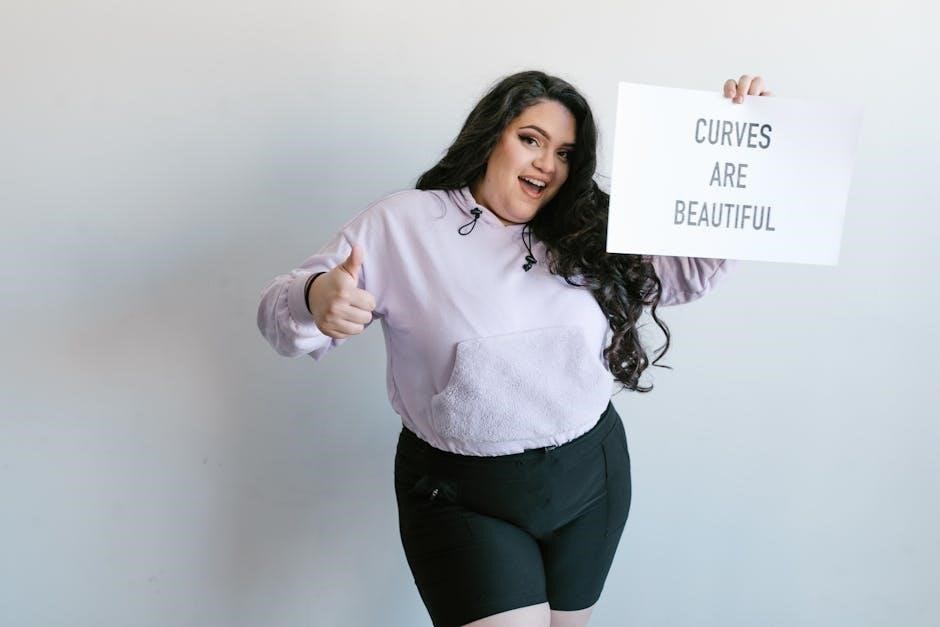
Engaging with online sewing communities is incredibly beneficial when working with plus size patterns. These platforms offer a space to ask questions, share experiences, and receive constructive feedback from fellow sewists. Forums dedicated to pattern fitting are particularly helpful, addressing common challenges encountered with larger sizes.
Many groups focus specifically on plus-size sewing, providing tailored advice and support. Members often share modifications they’ve made to patterns, successful fabric choices, and tips for achieving a flattering fit. Active communities foster a collaborative learning environment, boosting confidence and skill development. Don’t hesitate to seek guidance – experienced sewists are usually eager to help!
YouTube Tutorials and Sewing Blogs
Numerous YouTube channels and sewing blogs provide invaluable visual and written guidance for using plus size PDF patterns. These resources often demonstrate pattern adjustments, sewing techniques, and fabric selection specifically for curvier figures. Search for tutorials focusing on fitting issues common in plus sizes, like full busts or wider hips.
Blogs frequently offer detailed step-by-step instructions, pattern reviews, and inspiration for creating stylish garments. Many bloggers share their personal experiences modifying patterns for a perfect fit, offering practical solutions. Utilizing these resources can significantly enhance your sewing journey and confidence when working with PDF patterns.