Rocket Stove Heater Plans PDF: A Comprehensive Guide
Embark on a journey to self-sufficiency with readily available rocket stove heater plans in PDF format, offering diverse designs for efficient heating and cooking solutions.
Rocket stove heaters represent a fascinating intersection of ancient technology and modern ingenuity, offering a remarkably efficient and sustainable heating solution. These stoves, often built from readily available or recycled materials, have gained significant popularity among homesteaders, preppers, and anyone seeking an off-grid heating option. The core principle revolves around maximizing combustion efficiency through a unique design that creates a strong updraft, resulting in a hotter, cleaner burn with less smoke.
Accessing rocket stove heater plans in PDF format is the first step towards building your own. These plans range from simple, beginner-friendly designs utilizing recycled cans and bricks, to more complex builds requiring metal fabrication and welding skills. The availability of both Imperial and Metric measurement plans caters to a global audience, ensuring accessibility regardless of location. Online communities and forums are brimming with builders sharing their experiences, modifications, and troubleshooting tips, fostering a collaborative learning environment.
What is a Rocket Stove?
A rocket stove is a highly efficient heating and cooking appliance that utilizes a simple, yet effective, combustion process. Unlike traditional stoves, rocket stoves employ a specifically designed combustion chamber and chimney – often an “L” or “J” shape – to create a strong updraft. This updraft draws air into the system, promoting complete combustion of the fuel, typically small twigs, branches, or biomass. The result is a hotter, cleaner burn with significantly reduced smoke output.
Rocket stove heater plans in PDF format illustrate this core design, showcasing variations like the “J-tube” or “rocket mass heater” configurations. These plans detail the construction of the feed tube, combustion chamber, and heat riser, all crucial components for optimal performance. Understanding these elements, as outlined in the downloadable PDF guides, is key to building a functional and efficient stove. The simplicity of the design makes it accessible for DIY enthusiasts, even those with limited building experience.
Benefits of Using a Rocket Stove Heater
Rocket stove heaters offer a compelling array of advantages, making them an increasingly popular choice for both off-grid living and supplemental heating. Rocket stove heater plans in PDF format unlock access to these benefits through DIY construction. Primarily, they boast exceptional fuel efficiency, requiring significantly less wood than conventional stoves to generate comparable heat. This translates to cost savings and reduced environmental impact.
Furthermore, the complete combustion process minimizes smoke production, contributing to cleaner air quality. The designs detailed in PDF guides often utilize readily available or recycled materials, promoting sustainability and affordability. Rocket stoves are also incredibly versatile, capable of cooking, heating water, and even providing radiant heat for small spaces. The portability of many designs, as shown in various plans, makes them ideal for camping or emergency preparedness.

DIY Rocket Stove Plans & Resources
Explore a wealth of downloadable rocket stove plans in PDF, ranging from simple recycled builds to advanced CNC-cut designs, empowering your self-sufficiency journey.
Free Rocket Stove Plans (Recycled Materials)
Dive into sustainable heating with an impressive collection of 30 free DIY rocket stove plans, ingeniously crafted from readily available recycled materials. These plans champion resourcefulness, offering a cost-effective and environmentally conscious approach to building your own efficient heater.
Discover detailed instructions and downloadable PDF guides that simplify the construction process, even for beginners. These plans often utilize materials like steel drums, metal pipes, and bricks, transforming waste into a functional and powerful heating solution.
Join a growing community of builders who are embracing the principles of upcycling and self-reliance. These free resources provide a fantastic starting point for anyone looking to experiment with rocket stove technology and reduce their environmental footprint. Joefore1, a new forum member, is eager to enhance their rocket stove skills, highlighting the active community support available.
Rocket Stove DXF Plan ౼ CNC Build
Unlock precision engineering with a comprehensive Rocket Stove DXF Plan specifically designed for CNC builds. This digital file set empowers builders with access to detailed designs optimized for multiple manufacturing methods, streamlining the construction process.
Included are both DXF and PDF files, providing versatility for laser cutting, tube welding, and other fabrication techniques. This plan allows for a highly accurate and repeatable build, ideal for those seeking a professional-grade rocket stove.
Build a complete rocket stove with confidence, utilizing these meticulously crafted files. The plans offer a robust foundation for creating a durable and efficient heating solution. This resource caters to experienced fabricators and those looking to leverage the power of CNC technology in their rocket stove project.
SuperHot J Rocket Stove Core Plan PDF
Elevate your rocket stove building with the SuperHot J Rocket Stove Core Plan PDF, a dedicated resource for crafting the heart of a highly efficient heating system. This plan focuses specifically on the core combustion chamber, crucial for optimal performance and clean burning.
Priced at $55.00, this downloadable PDF provides detailed instructions and precise measurements for constructing a robust and effective core. It’s designed for builders who want to maximize heat output and minimize smoke production.
The SuperHot J plan is a valuable addition to any rocket stove project, offering a proven design for a reliable and long-lasting core. It’s a focused resource for those seeking to refine their build and achieve superior heating capabilities. Download today and experience the difference!
Tiny Cook Stove Plans
Discover the convenience of compact cooking with the Tiny Cook Stove Plans, a perfect solution for backpacking, camping, or off-grid living. These plans offer a scaled-down rocket stove design, prioritizing portability and efficiency without sacrificing performance.
Available for $120.00, this downloadable PDF provides comprehensive instructions and detailed diagrams for building a miniature yet powerful cook stove. It’s ideal for individuals seeking a lightweight and versatile cooking option.
The Tiny Cook Stove plans are meticulously crafted to ensure ease of construction and optimal functionality. Enjoy the benefits of rocket stove technology in a conveniently sized package, perfect for outdoor adventures or emergency preparedness. Download now and start cooking smarter, not harder!

Detailed Rocket Stove Designs
Explore advanced blueprints for robust rocket stoves, including 6-inch models and laser-cut steel sheet options, ensuring efficient combustion and lasting durability.
6-Inch Rocket Stove Model Plans

Dive into the specifics of our best-selling 6-inch rocket stove model with these detailed plans, designed for optimal performance and ease of construction. These comprehensive files are meticulously crafted to facilitate cutting using both 11 gauge and 7 gauge steel, requiring a 45-amp plasma cutter or equivalent for precise results.
The fully assembled unit boasts a substantial weight of 70 lbs, indicative of its robust build quality and durable materials. Included within the download are separate, clearly delineated plans catering to both Imperial and Metric measurement systems, ensuring accessibility for builders worldwide. These plans aren’t just diagrams; they are a complete guide, offering step-by-step instructions and a full materials list, empowering you to confidently construct a high-efficiency rocket stove.
Whether you’re a seasoned metalworker or a dedicated DIY enthusiast, these 6-inch rocket stove plans provide the foundation for a reliable and effective heating solution.
Laser-Cut Steel Sheet Rocket Stove Plans
Experience the convenience and precision of building a rocket stove with our laser-cut steel sheet plans. This design prioritizes both efficient combustion and straightforward assembly, making it an ideal project for those seeking a reliable and portable cooking solution. The plans are specifically engineered for laser cutting, ensuring accurate parts and minimizing fabrication time.
These plans offer a robust and dependable design, utilizing the inherent strength and durability of steel. The resulting stove is lightweight yet capable of delivering substantial heat output, perfect for outdoor cooking or emergency heating. Detailed instructions and clear diagrams guide you through each stage of the build process, from cutting the steel sheets to final assembly.
Invest in these plans and unlock the potential for a high-performance rocket stove built to last.
Understanding K-Style vs. True Rocket Stoves

Distinguishing between K-style and true rocket stoves is crucial for optimal performance and efficiency. K-style stoves, while often marketed similarly, fundamentally differ in their combustion process and heat retention capabilities. True rocket stoves rely on a specific J-tube design to create a strong updraft, ensuring complete combustion of fuel and minimizing smoke.
K-style stoves often lack this critical J-tube configuration, resulting in less efficient burning and increased emissions. They may appear similar in outward form, but their internal design compromises their ability to fully utilize the energy potential of the fuel source. The core difference lies in the efficient secondary combustion that a true rocket stove achieves.
Understanding this distinction empowers builders to select plans that deliver genuine rocket stove benefits – clean burning, fuel efficiency, and powerful heat output.
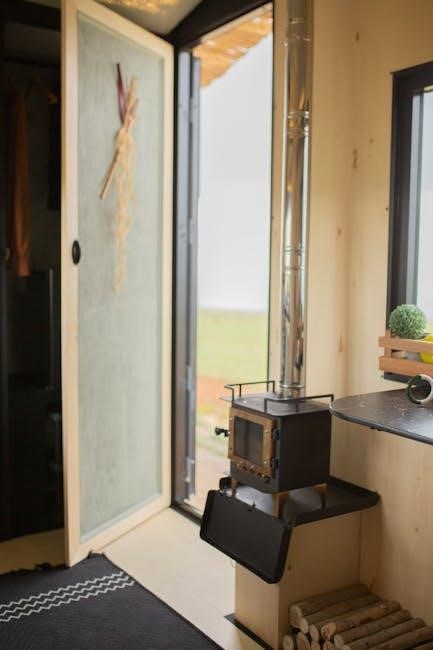
Building Your Rocket Stove
Successfully construct your rocket stove by gathering necessary materials and tools, then meticulously following a step-by-step guide for a functional, efficient heater;
Materials Needed for Construction
Constructing a rocket stove demands careful material selection for durability and efficiency. Essential components include steel – 11 gauge and 7 gauge are frequently cited for robust construction, particularly for the 6-inch model weighing around 70lbs fully assembled.
You’ll require steel sheets if opting for a laser-cut design, alongside appropriate tubing for welding. Recycled materials are a popular, cost-effective choice for many DIY plans, offering a sustainable building approach.
A metal pail, specifically a 2 ½ gallon size, is crucial for hot tub heating designs, acting as the combustion chamber. Copper piping is also needed for heat transfer in such applications. Don’t forget insulation materials like perlite or vermiculite for enhanced thermal performance, and firebricks to line the combustion chamber for longevity.
Finally, consider the need for fasteners – bolts, screws, or welding rods – depending on your chosen construction method.
Tools Required for Assembly

Successful rocket stove construction hinges on having the right tools. For those utilizing laser-cut steel sheet plans, a laser cutter is paramount, though outsourcing this step is an option. Welding equipment is essential for many designs, demanding proficiency in various techniques, as highlighted by resources like Brian Oltrogge’s tutorials.
If cutting your own steel, a plasma cutter or angle grinder with cutting discs will be necessary. Standard tools like measuring tapes, levels, and squares ensure accuracy. Drilling tools are needed for creating ventilation holes and fastening components.
For CNC builds, a multi-process CNC machine is required to interpret the DXF files. Safety gear – welding helmets, gloves, and eye protection – are non-negotiable. Finally, wrenches, screwdrivers, and clamps aid in assembly and securing parts.
Step-by-Step Construction Guide (General)
Rocket stove construction, while varying by plan, generally follows a sequence. Begin by accurately cutting materials according to your chosen PDF plan – whether laser-cut, CNC-milled, or manually cut. Assemble the combustion chamber, ensuring proper insulation with materials like perlite or vermiculite.
Next, construct the feed tube and chimney, paying close attention to angles for optimal draft. Welding is often required to join these components securely. Integrate the heat riser, crucial for efficient combustion.
Finally, build the outer shell for insulation and aesthetics. Thoroughly test for drafts and stability before first use. Remember to consult specific plan instructions, as designs like the 6-inch model or SuperHot J core have unique assembly steps.

Advanced Rocket Stove Concepts
Explore innovative designs like indirect-fired ovens and hot tub heating systems, pushing the boundaries of rocket stove technology with detailed plans and modifications.
Indirect-Fired (White) Rocket Ovens ー Inspiration
Delve into the fascinating world of indirect-fired, or “white” rocket ovens, representing a significant advancement in rocket stove design. These systems differ from traditional rocket stoves by separating the combustion chamber from the cooking surface, resulting in cleaner, more efficient heating. Camscandy’s shared YouTube playlist provides a wealth of inspirational examples, showcasing various builds and techniques;
Unlike direct-fired stoves, white ovens utilize a heat riser to channel hot exhaust gases around the cooking area, minimizing soot and maximizing heat retention. This method is particularly well-suited for baking and slow cooking, offering precise temperature control and a cleaner cooking environment. The playlist offers visual guidance for those considering building their own indirect-fired rocket oven, highlighting the benefits of this advanced approach to wood-burning technology. Explore the possibilities and unlock a new level of cooking efficiency!
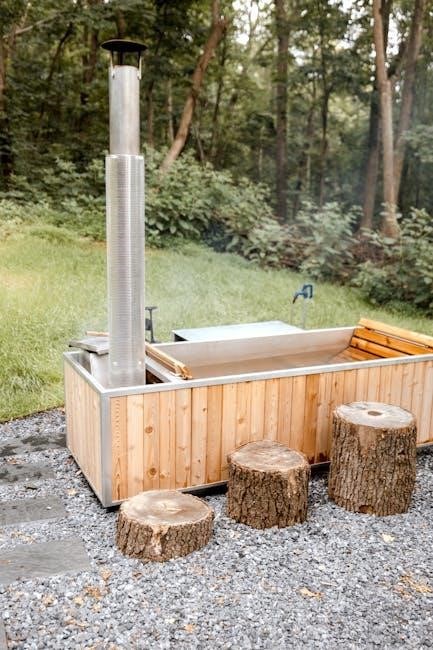
Rocket Stove for Hot Tub Heating (Metal Pail Design)
Imagine the luxury of a wood-fired hot tub, heated efficiently and economically with a custom-built rocket stove! A particularly innovative design utilizes a 2 ½ gallon metal pail as the combustion chamber, offering a compact and readily available core for the heating system. This approach is ideal for smaller hot tubs or those seeking a portable heating solution.
The design incorporates copper piping strategically wrapped around the pail, acting as a heat exchanger to transfer warmth to the water. This configuration maximizes heat absorption and minimizes heat loss, ensuring efficient heating. While detailed plans aren’t explicitly provided, the concept offers a fantastic starting point for DIY enthusiasts. Consider this a springboard for creativity, adapting the design to your specific hot tub size and needs. Explore the potential for a relaxing, off-grid hot tub experience!
Welding Techniques for Rocket Stove Construction
For robust and durable rocket stove construction, proficient welding skills are paramount, especially when fabricating custom designs or adapting existing plans. Brian Oltrogge provides valuable guidance, demonstrating techniques for building his specific rocket stove model, complete with downloadable patterns. Mastering various welding processes – such as MIG, TIG, or stick welding – expands your fabrication capabilities.
Precise and clean welds are crucial for ensuring airtight seals within the combustion chamber and heat exchanger, maximizing efficiency and safety. Understanding metal properties and selecting appropriate welding rods are equally important. Resources like online tutorials and welding courses can significantly enhance your skillset. Remember to prioritize safety, utilizing proper protective gear and ventilation during all welding operations. A well-welded rocket stove promises years of reliable performance!
Resources & Downloads
Access a wealth of plans, including Imperial and Metric measurements, alongside helpful PDF guides and vibrant online communities for rocket stove enthusiasts.
Finding Rocket Stove Plans in PDF Format
Locating comprehensive rocket stove plans in PDF format is surprisingly accessible, with numerous online resources catering to both beginners and experienced builders. Several websites offer free downloadable plans utilizing recycled materials, perfect for cost-effective experimentation. For those seeking more detailed and precise designs, dedicated platforms provide premium plans, such as the SuperHot J Rocket Stove Core Plan PDF, available for purchase.
Digital file sets, including DXF files for CNC builds, are also readily found, enabling automated fabrication for those with the necessary equipment. Remember to check for plans offering both Imperial and Metric measurements to suit your preference and available tools. Online forums and communities, like the one mentioned with user ‘joefore1’, often share links and experiences regarding various plans, offering valuable insights before you commit to a build. Always prioritize safety and thoroughly review any plan before commencing construction.
Imperial vs. Metric Measurement Plans
Choosing between Imperial and Metric measurement plans for your rocket stove build hinges on your familiarity and available tools. Many resources recognize this preference, offering downloadable plans in both systems. This dual availability, as highlighted with the “Full plans and materials list for the full size Rocket Stove,” ensures accessibility for a wider audience.
Imperial plans, utilizing inches and feet, are common in the United States, while Metric plans, employing millimeters and centimeters, are prevalent elsewhere. Consider the precision required for your build; Metric is often favored for its decimal-based simplicity. Regardless of your choice, double-check all measurements before cutting materials to avoid costly errors. Some builders even convert plans themselves, but this requires careful attention to detail. Selecting the right system streamlines the construction process and minimizes frustration.
Online Communities & Forums for Rocket Stove Builders
Engaging with online communities and forums is invaluable when navigating rocket stove construction. These platforms offer a wealth of knowledge, troubleshooting assistance, and shared experiences from fellow builders. As evidenced by user interactions like “joefore1” seeking to “up my rocket stove game,” these spaces foster collaborative learning.
Forums provide a space to ask questions, share progress, and receive feedback on your designs. You can find inspiration, discover new techniques, and avoid common pitfalls. Active communities often host plan reviews and offer guidance on material selection. Don’t hesitate to participate – sharing your own experiences benefits others. These online resources complement PDF plans, providing a dynamic learning environment and a supportive network for rocket stove enthusiasts. Connecting with others accelerates your learning curve and enhances your building experience.