Welcome! This comprehensive guide unlocks your Stealth Cam’s potential, detailing setup, operation, and advanced features for capturing stunning wildlife footage.
What is a Stealth Cam?
Stealth Cam represents a leading innovator in game camera technology, specializing in remotely triggered, high-resolution imaging and video devices. These cameras are meticulously engineered for wildlife observation, security monitoring, and property surveillance. Utilizing infrared flash technology, Stealth Cams excel at capturing clear images, even in complete darkness, without spooking animals.
The core function revolves around a highly sensitive motion detection system, activating the camera only when movement is present, conserving battery life and storage space. Many models now incorporate advanced features like Aura RGB lighting for enhanced daytime color and remote control capabilities for convenient operation. They are designed for durability and discreet placement in diverse outdoor environments.
Why Read the User Manual?
Understanding your Stealth Cam requires a thorough review of this user manual. It unlocks the full potential of your investment, guiding you through initial setup, camera modes, and customization options. Ignoring the manual can lead to suboptimal performance, missed features, and potentially, inaccurate data capture.
This guide details crucial aspects like image resolution settings, flash range adjustments, and proper SD card installation. It also provides troubleshooting steps for common issues, ensuring a smooth user experience. Mastering these details maximizes battery life, optimizes image quality, and guarantees reliable operation in various environmental conditions, ultimately enhancing your surveillance efforts.
Setting Up Your Stealth Cam
Begin your journey! Properly installing batteries, an SD card, and selecting a strategic mounting location are key to successful wildlife monitoring.
Initial Camera Setup
First-time setup is crucial! Begin by carefully unpacking your Stealth Cam and inspecting all components. Familiarize yourself with the camera’s button layout and the SD card/battery compartments. Before venturing outdoors, it’s highly recommended to perform a test run in a controlled environment – your backyard, for example. This allows you to confirm proper functionality and adjust initial settings without the pressure of field conditions.
Ensure the camera is powered off during the initial setup process. This prevents accidental setting changes or battery drain. Refer to the detailed diagrams within this manual for precise component locations and proper insertion techniques. A successful initial setup lays the foundation for optimal performance and reliable wildlife capture.
Installing Batteries and SD Card
Powering your Stealth Cam is simple! Locate the battery compartment, typically secured with a latch. Insert the recommended batteries (refer to specifications for type and quantity), ensuring correct polarity as indicated inside the compartment. A secure fit is essential for reliable operation.
Next, insert a compatible SD card into the designated card slot. The camera requires an SD card to store captured images and videos. Ensure the card is properly seated and locked into place. Avoid forcing the card; gentle pressure is sufficient. Always use a high-quality SD card for optimal performance and data security.
Mounting Options and Placement
Strategic placement is key to successful wildlife monitoring! Stealth Cams offer versatile mounting options, including tree mounts utilizing straps or screws, and potentially dedicated mounting brackets (sold separately). Ensure the chosen location provides a clear field of view, free from obstructing branches or foliage.
Consider animal travel patterns – game trails, feeding areas, and water sources are ideal spots. Securely fasten the camera to prevent movement from wind or animals. Height adjustments can optimize detection range and image quality. Always respect property boundaries and local regulations when selecting a mounting location.
Understanding Camera Modes
Explore versatile capture options! Stealth Cam offers Normal, Stealth, and Time-Lapse modes, each tailored for specific monitoring needs and scenarios.
Normal Operation Mode
Standard Surveillance: In Normal Operation Mode, your Stealth Cam functions as a traditional trail camera, diligently monitoring for movement within its field of view. This mode prioritizes capturing every detected event, providing a comprehensive record of wildlife activity. The camera will trigger and record images or videos based on the sensitivity settings you’ve configured.
It’s ideal for general scouting and understanding animal patterns. The camera actively alerts you to activity, unlike Stealth Mode, and doesn’t suppress notifications about storage capacity. This mode offers a balance between responsiveness and battery consumption, making it suitable for extended deployments where consistent monitoring is crucial. Review captured content easily via the SD card or camera’s viewing screen.
Stealth Mode: Activation and Functionality
Concealed Operation: Stealth Mode is designed for discreet surveillance, minimizing the camera’s visibility to potential subjects. Activate this mode through the camera’s settings menu by simply checking the “Stealth Mode” option. When enabled, the camera suppresses certain indicators, such as the LED flash, reducing the chance of detection.
Crucially, Stealth Mode also disables low-memory warnings, preventing any light signals that might reveal the camera’s presence. This is perfect for sensitive locations where minimizing disturbance is paramount. However, remember to regularly check the SD card’s capacity to avoid missed recordings. It’s a trade-off between concealment and proactive memory management.
Time-Lapse Mode Explained
Capturing Extended Events: Time-Lapse mode condenses long durations into accelerated videos, ideal for observing gradual changes like plant growth or animal behavior over extended periods. Configure the interval – the time between each captured image – within the camera’s settings. Shorter intervals create faster-paced videos, while longer intervals compress even more time.
The camera automatically strings these images together to form a time-lapse video; Consider factors like the event’s speed and desired video length when selecting an interval. Experimentation is key! Remember to ensure sufficient SD card space, as time-lapse sequences can generate numerous image files.
Camera Settings and Customization
Personalize Your Experience: Fine-tune image quality, flash intensity, and date/time settings to optimize performance and capture precisely what you need.
Image Resolution and Quality
Optimizing Your Images: Your Stealth Cam offers various image resolution settings, directly impacting clarity and file size. Lower resolutions (e.g., 2MP) conserve SD card space, ideal for long-term monitoring with numerous captures. However, detail is reduced.
Higher resolutions (e.g., 8MP, 12MP, or even higher, depending on your model) deliver exceptional detail, perfect for zooming in on subjects or printing larger images. Be mindful that higher resolutions consume more storage space and may slightly reduce the number of images your SD card can hold.
Experiment with different settings to find the balance between image quality and storage capacity that best suits your needs. Consider the intended use of the images – quick scouting versus detailed analysis – when making your selection.
Flash Settings: Range and Intensity
Illuminating the Night: Stealth Cam flash settings are crucial for optimal nighttime imagery. Range determines how far the flash effectively illuminates, while intensity controls the brightness. A longer range is beneficial for wider areas, but may result in a washed-out appearance for closer subjects.
Adjust intensity based on the surrounding environment and target animal. Lower intensity minimizes spooking, ideal for cautious wildlife. Higher intensity provides clearer images in complete darkness; Many models offer ‘Smart IR’ which automatically adjusts intensity.
Experiment to find the best combination for your specific location and desired results, balancing image clarity with minimizing disturbance to wildlife.
Date, Time, and Location Settings
Precise Tagging for Organization: Accurate date and time stamping is essential for organizing your captured images and videos. Proper settings allow for chronological sorting and easy identification of events. Location settings, if available on your model, embed GPS coordinates into the files.
Access these settings through the camera’s menu. Ensure the date and time are correctly configured before deployment. Incorrect settings will mislabel your footage. Some cameras automatically synchronize with network time.
Location data aids in mapping animal movements and understanding activity patterns. Regularly verify these settings for continued accuracy.
Reviewing and Managing Images/Videos
Access & Transfer: Easily view photos and videos directly on the SD card, the camera’s screen, or by downloading them to your computer for archiving.
Accessing Images on the SD Card
Direct Access: To view images directly from the SD card, you’ll typically need an SD card reader connected to your computer. Once connected, the card will appear as a removable drive. Navigate to the DCIM folder (Digital Camera Images) on the SD card to find your photos and videos.
Card Compatibility: Ensure your SD card is compatible with your Stealth Cam model – check the user manual for supported capacities and speed classes. Formatting the SD card within the camera is recommended for optimal performance.
File Formats: Images are usually saved as JPG files, while videos are often in AVI or MP4 format. Be sure you have appropriate software installed to view these file types on your computer.
Using the Camera’s Viewing Screen
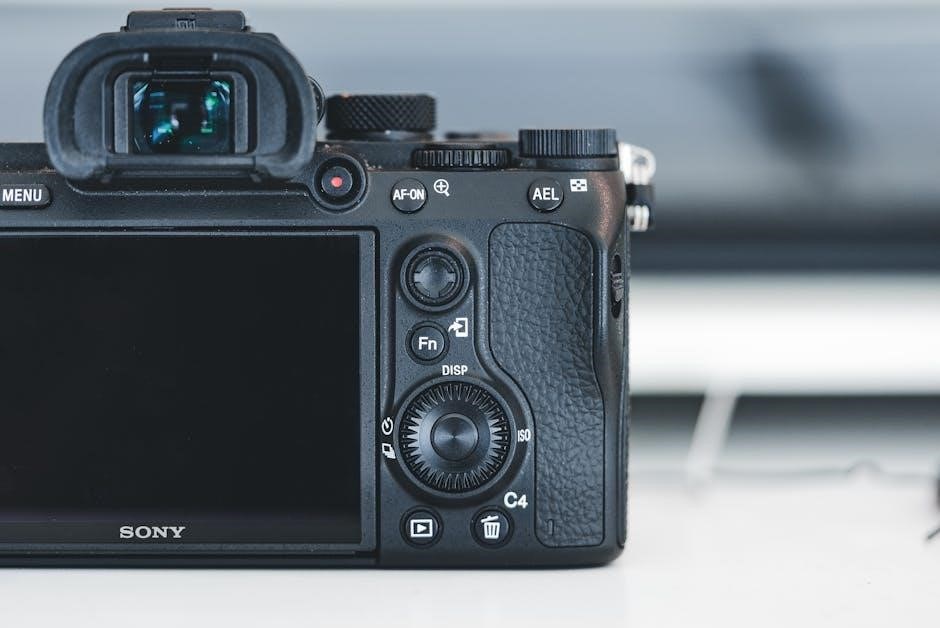
Navigating the Menu: Your Stealth Cam’s viewing screen allows for direct image and video review, as well as camera settings adjustments. Use the navigation buttons to scroll through menus and select options. The screen displays captured images and videos, allowing you to preview content before downloading.
Playback Controls: Utilize the playback buttons to view images sequentially or play videos. Zoom functions are often available for detailed inspection of captured footage.
Screen Brightness: Adjust the screen brightness for optimal visibility in various lighting conditions, conserving battery life when possible.
Downloading Images to a Computer
Connecting the Camera: To download images, connect your Stealth Cam to your computer using the provided USB cable. Ensure the camera is powered on or in a mode that allows USB connectivity. Your computer should recognize the camera as a removable storage device, similar to a USB drive.
Accessing Files: Open the camera’s drive on your computer and navigate to the DCIM folder, where images and videos are stored. Copy and paste these files to your desired location on your computer for organization and editing.
Safe Removal: Always safely eject the camera from your computer before disconnecting the USB cable to prevent data corruption.
Advanced Features
Explore further! Discover Aura RGB lighting control, remote operation capabilities, and powerful multi-shot/RapidFire settings for enhanced surveillance and image capture.
Aura On/Off Mode (RGB Lighting)
Aura RGB lighting offers a unique feature, allowing you to easily enable or disable the colored illumination. This functionality can be particularly useful for minimizing detection by wildlife, especially during nighttime operation; When Aura is activated, the camera emits a subtle RGB glow, potentially attracting attention.
Conversely, disabling Aura ensures complete stealth, making the camera virtually invisible to animals. The setting is readily accessible through the camera’s menu, providing quick control over the RGB lighting. Experiment with both modes to determine which best suits your specific surveillance needs and environment. Consider the potential impact on animal behavior when choosing your preferred setting.
Remote Control Operation
The remote control provides a convenient, hands-free method for operating your Stealth Cam from a distance. This is especially valuable when adjusting settings or retrieving images without disturbing the camera’s location. Functions typically include triggering image capture, navigating menus, and reviewing captured photos and videos directly on the camera’s screen.
Ensure the remote control is paired with your camera before use, following the instructions in the full user manual. Battery life is crucial for remote functionality; replace batteries regularly for optimal performance. Utilize the remote to minimize your scent and movement near the camera, maximizing stealth and increasing your chances of capturing natural wildlife behavior.
Multi-Shot and RapidFire Capabilities
Maximize your chances of capturing the perfect shot with your Stealth Cam’s Multi-Shot and RapidFire features. Multi-Shot allows the camera to capture a burst of multiple images with each trigger event, increasing the likelihood of getting a clear action sequence. RapidFire takes this further, capturing images at an incredibly fast rate, ideal for fast-moving subjects.
Configure these settings within the camera’s menu, adjusting the number of shots per trigger and the interval between them. Be mindful of SD card capacity when using these modes, as they consume storage quickly. Experiment with different settings to find the optimal balance between capture rate and image quality for your specific needs.

Troubleshooting Common Issues
Facing problems? This section provides solutions for typical Stealth Cam issues – from motion detection failures to poor image quality and battery concerns.
Camera Not Detecting Motion
Problem: Your Stealth Cam isn’t triggering when motion is present. Several factors could contribute to this issue. First, verify the sensitivity setting is appropriately adjusted; a low setting might miss subtle movements, while a high setting could cause false triggers.
Ensure the camera’s lens is unobstructed by vegetation or debris. Check the battery level, as low power can affect sensor performance. Confirm that ‘Stealth Mode’ isn’t inadvertently activated, as some settings within it can limit detection. Finally, review the camera’s detection range and ensure the motion source falls within it. A test walk-through can help diagnose the problem.
Poor Image Quality
Issue: Images or videos from your Stealth Cam appear blurry, dark, or washed out. Begin by cleaning the camera lens with a soft, dry cloth to remove any smudges or debris. Verify the image resolution setting is set to your desired quality; higher resolutions demand more SD card space.
Adjust flash settings – range and intensity – to suit the environment. Insufficient flash can result in dark images, while excessive flash causes washout. Ensure proper date and time settings for accurate image metadata. Check battery levels, as low power can impact image processing. Finally, consider ambient lighting conditions and adjust settings accordingly.
Battery Life Problems
Issue: Your Stealth Cam drains batteries quickly, requiring frequent replacements. First, ensure you’re using fresh, high-quality batteries – lithium batteries generally offer superior performance. Reduce the frequency of image capture by adjusting the camera’s trigger settings or interval times.
Disable features like Aura RGB lighting when not needed, as they consume significant power. Cold temperatures drastically reduce battery life; consider using an external battery pack or thermal shield. Verify the camera isn’t repeatedly triggering due to excessive motion or sensitivity settings. Finally, check for firmware updates, as they sometimes include power optimization improvements.